
Lagos, Nigeria — Hybrid Motors Nigeria has secured a $95 million investment to support the development of its electric vehicle manufacturing operations and charging infrastructure network in Lagos and Abuja.
The investment marks a significant milestone in the company’s plan to build a locally driven electric mobility platform for Nigeria and the wider African market. It will support the development of production capacity, charging infrastructure and the broader systems needed to make electric vehicle adoption practical at scale.
Hybrid Motors Nigeria says the funding will help accelerate work on its planned electric vehicle production facilities, strengthening the company’s ability to assemble and manufacture vehicles locally while reducing reliance on imported electric vehicles.
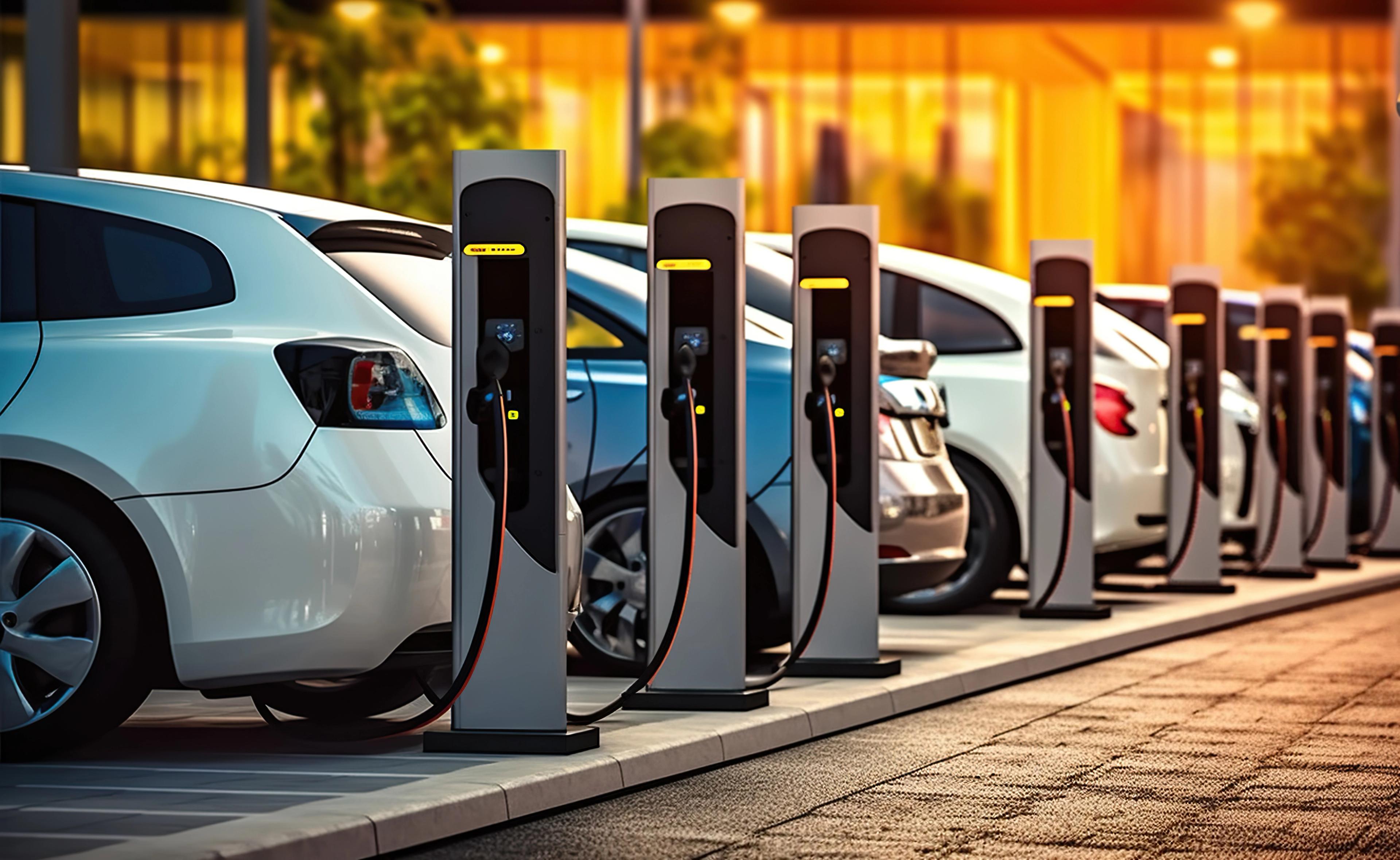
The investment will also support the rollout of large-scale charging infrastructure in Lagos and Abuja, two of Nigeria’s most important urban and commercial centres. Access to reliable charging remains one of the biggest barriers to electric vehicle adoption, and Hybrid Motors Nigeria believes that infrastructure must be developed alongside vehicle production if the market is to grow sustainably.
“This investment gives us the foundation to move faster and build with greater confidence,” said Jubril Arogundade, Chief Executive Officer of Hybrid Motors Nigeria. “Our goal is not only to introduce electric vehicles into the market, but to build the local capacity, infrastructure and customer confidence needed for electric mobility to work in Nigeria.”
The company’s charging network is expected to serve private motorists, commercial fleet operators, logistics providers, ride-hailing drivers and public transportation users seeking cleaner and more cost-effective mobility options.
For Hybrid Motors Nigeria, the investment is also an industrial development opportunity. The construction and operation of EV production facilities and charging infrastructure is expected to create employment across engineering, manufacturing, logistics, maintenance, customer support and energy services.
The company also expects the project to support skills development in areas such as electric vehicle assembly, battery systems, charging infrastructure management and automotive software technologies.
Nigeria’s electric mobility market is gaining increased attention as fuel costs, environmental concerns and advances in battery technology continue to shape transport decisions. However, high vehicle costs, limited charging access, power supply constraints and low consumer awareness remain barriers to adoption.
Hybrid Motors Nigeria believes that addressing these challenges requires a coordinated approach that combines local manufacturing, charging access, financing, research and customer education.
The $95 million investment will support this wider approach by helping the company build the physical and operational foundation needed for long-term EV adoption.
Beyond its commercial objectives, Hybrid Motors Nigeria sees the project as part of a broader shift in Nigeria’s transport and energy sectors. As cities look for cleaner, more efficient mobility solutions, electric vehicles are expected to play an increasingly important role in reducing fuel dependence, lowering operating costs and improving air quality.
By investing in both vehicle production and charging infrastructure, Hybrid Motors Nigeria is positioning itself to help lead this transition while contributing to local industrial growth.
The company says it will continue working with technical partners, investors, policymakers and other stakeholders to build an electric mobility ecosystem that is practical, accessible and relevant to African markets.
About Hybrid Motors Nigeria
Hybrid Motors Nigeria is an automotive and clean mobility company focused on electric vehicle assembly, charging infrastructure, vehicle financing and mobility innovation for African markets. Through its manufacturing facilities, Acely vehicle platform and clean energy initiatives, the company is working to make electric mobility more accessible, practical and locally relevant across Nigeria and the wider African continent.